How Often Is a Brake Inspection Needed for Effective Car Brake Repair?
Knowing your brakes are in good shape is one of the most important parts of safe driving. Many drivers in San Diego, CA, wait for obvious warning signs before scheduling a brake check, but routine inspections can catch wear early and help avoid more extensive car brake repair down the road. This guide covers recommended inspection intervals, how local driving conditions factor in, what technicians look for, and what you can check at home.
How Often Should You Schedule a Brake Inspection?
Most vehicles benefit from a brake inspection at least once a year or every 12,000 miles, whichever comes first. However, your actual schedule may need to be more frequent depending on how and where you drive.
Brake pads typically last between 25,000 and 65,000 miles, but aggressive driving, frequent highway braking, and heavy loads can all push pads toward the lower end faster than expected. A professional inspection is the only reliable way to know exactly how much pad life remains.
Mileage-Based vs. Time-Based Inspection Intervals
If you drive fewer than 12,000 miles a year, an annual inspection still applies. Brake components degrade over time even without heavy use. Rubber seals dry out, brake fluid absorbs moisture, and caliper hardware can corrode on vehicles that sit for extended periods.
For high-mileage drivers logging more than 15,000 miles per year, every six months or 6,000 miles may be more appropriate. Talk to a trusted technician about a schedule that fits your vehicle and driving habits.
How Does San Diego Driving Affect Brake Wear?
San Diego's geography and traffic patterns can accelerate brake wear compared to flat, low-congestion areas.
Hills and elevation changes are a significant factor throughout the region. Drivers navigating areas like Otay Ranch, Spring Valley, and roads across south San Diego County rely on brakes more heavily than those traveling flat urban routes. Repeated downhill braking generates heat that wears pads and stresses rotors over time.
Stop-and-go traffic is another major consideration. Interstate 5, Interstate 805, and State Route 94 all experience significant daily congestion through San Diego, CA, and brake-heavy commuting is common across Chula Vista, National City, and El Cajon.
San Diego's dry climate is generally favorable for brake hardware, but coastal humidity near Coronado and Imperial Beach can cause surface rust to develop on rotors, particularly on vehicles not driven daily.
What Technicians Look for During a Brake Inspection
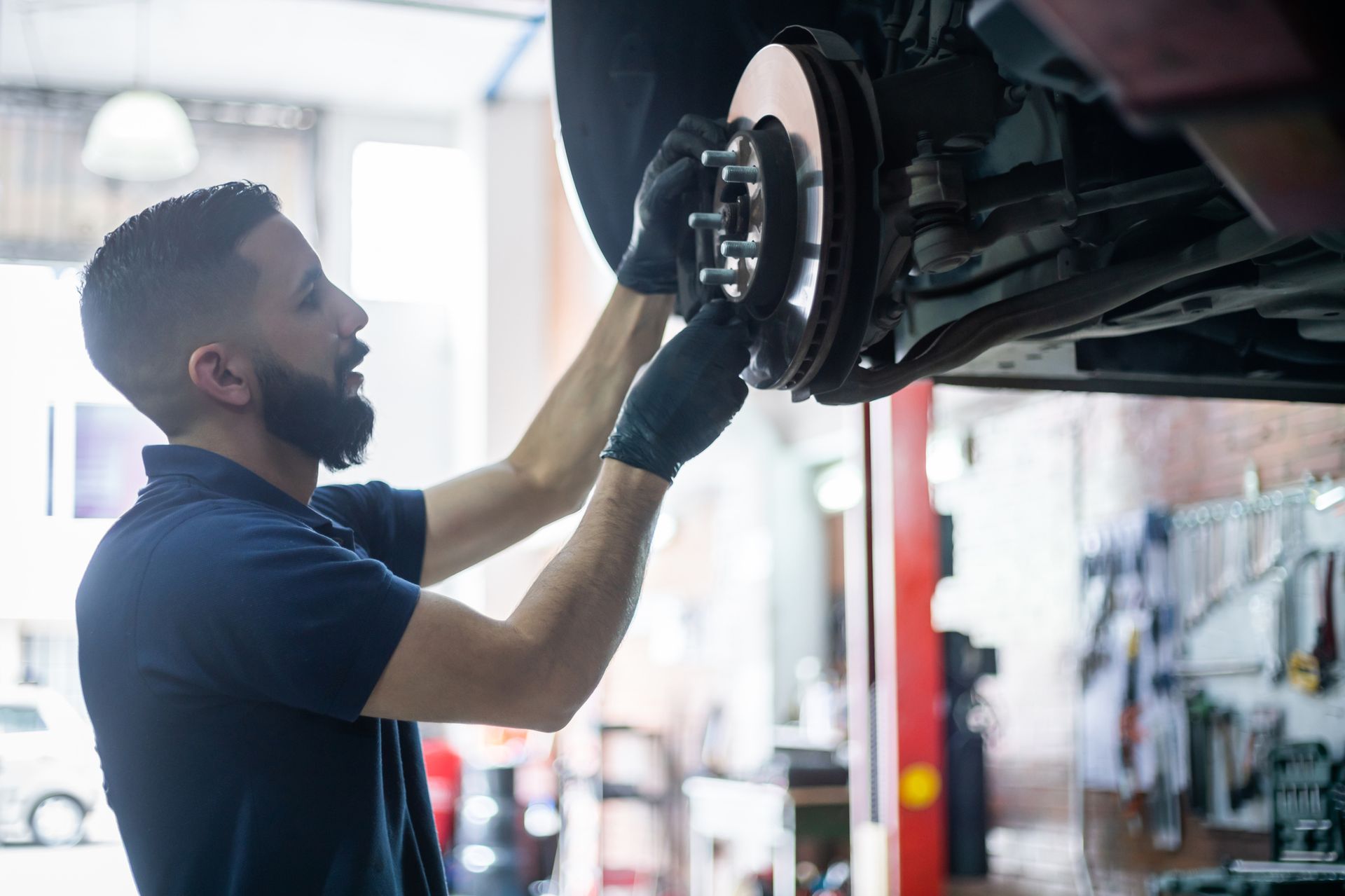
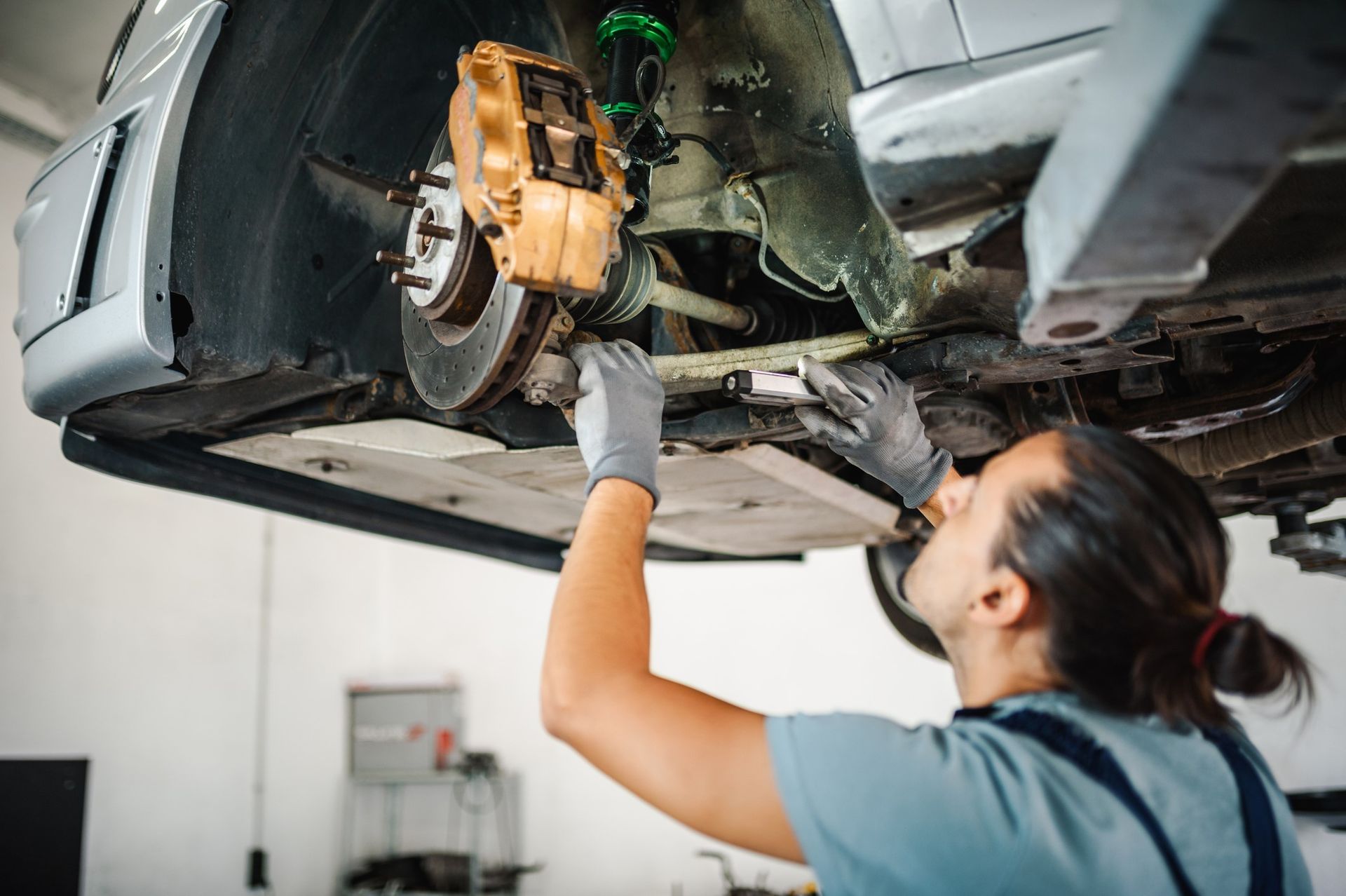
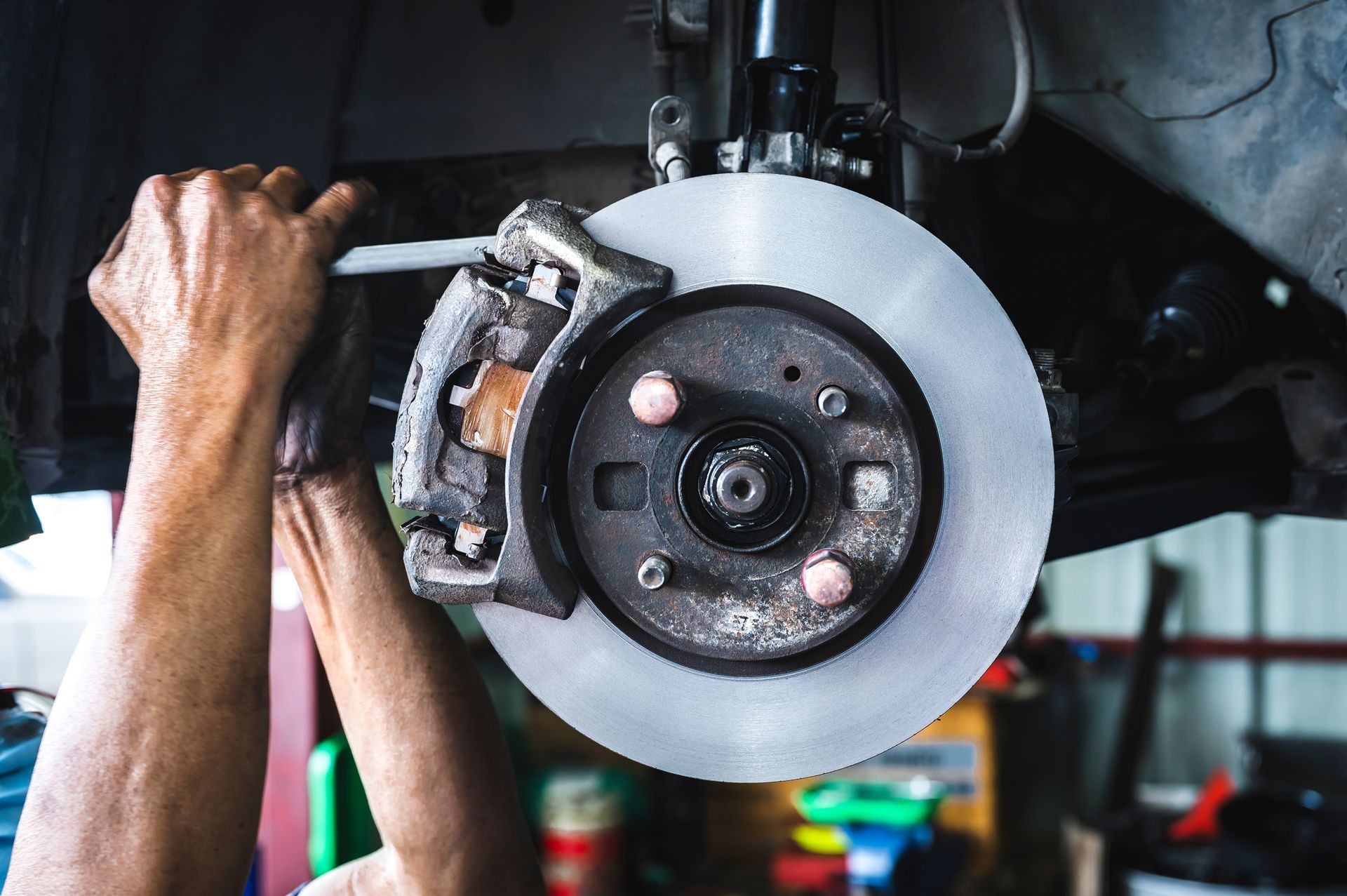
A professional brake inspection covers more than just pad thickness. Technicians assess the full braking system to identify any areas needing car brake repair before they become safety concerns. Key items typically checked include:
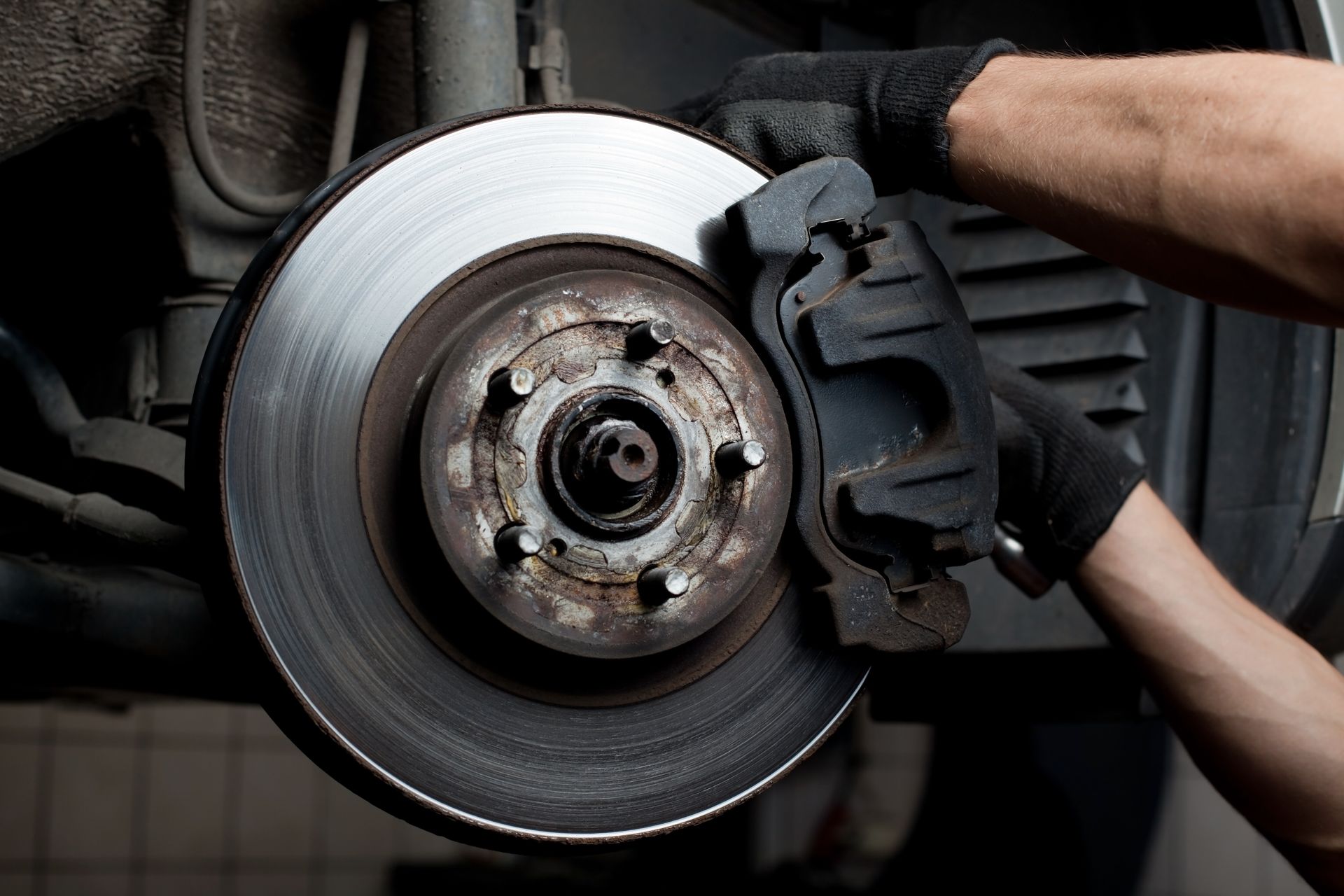
- Brake pad thickness, measured to identify whether pads are approaching replacement thresholds.
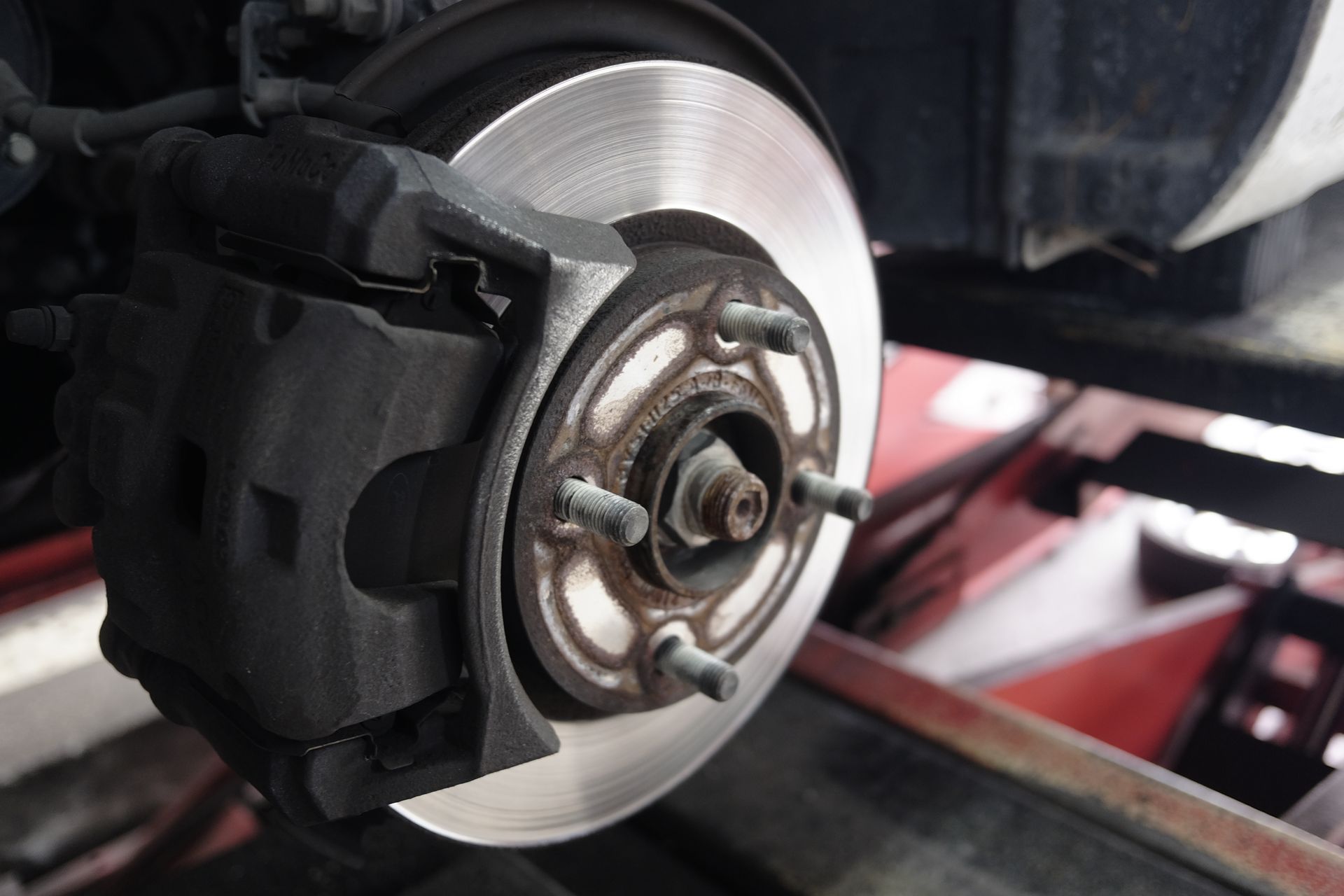
- Rotor condition, including surface scoring, warping, or rust that could affect braking performance.
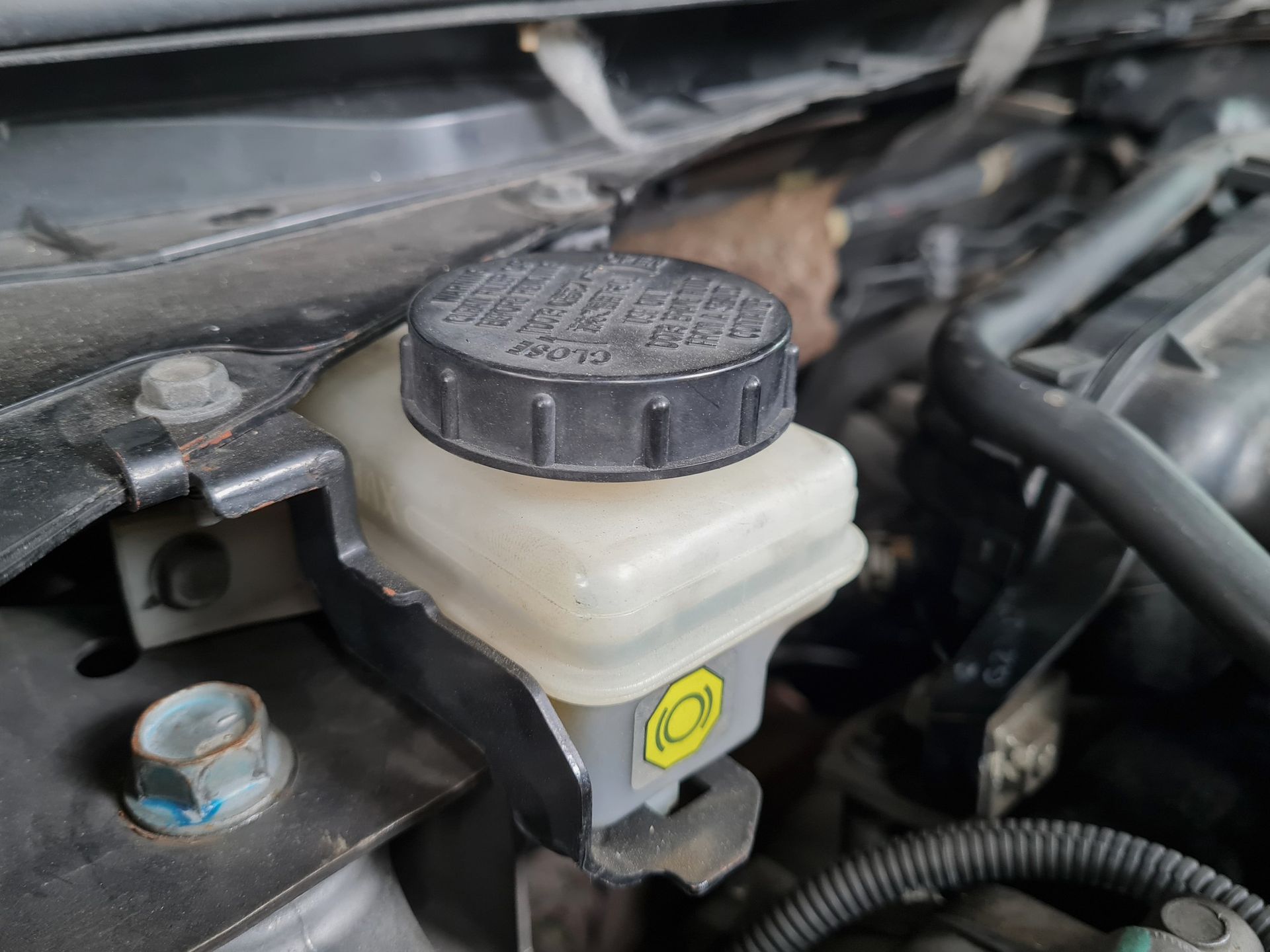
- Brake fluid quality and level, since degraded fluid can reduce braking effectiveness over time.
- Caliper function, checking for sticking or uneven wear that may pull the vehicle to one side.
- Brake lines and hoses, which can develop cracks or leaks that affect hydraulic pressure.
If you need professional car brake repair service, a thorough multi-point inspection like this is typically the starting point.
What Is the Minimum Safe Brake Pad Thickness?
Most brake pads start at around 10 to 12 millimeters of friction material. Replacement is generally recommended when pads reach 3 to 4 millimeters. At 2 millimeters or less, braking performance can become seriously compromised and rotor damage becomes a real risk. Many modern vehicles include wear indicators that produce a squealing noise when pads approach this threshold.
Simple Visual Checks You Can Do at Home
A quick visual check between professional inspections can help you spot obvious signs of wear early. No tools are needed, just a few minutes of attention.
- Look through the wheel spokes at the rotor surface, which should appear smooth and dull gray rather than deeply grooved or heavily rusted.
- Note any squealing, grinding, or scraping sounds when you apply the brakes.
- Pay attention to whether the vehicle pulls to one side when braking, which can indicate uneven pad wear or a sticking caliper.
- Check for a soft or spongy brake pedal, which may point to air in the lines or low fluid.
These steps complement professional inspections but are not a substitute. If you notice any of these signs, schedule an evaluation promptly to determine whether car brake repair is needed.
Frequently Asked Questions
How Often Should Brakes Be Inspected if I Drive Mostly on Highways?
Highway driving generally produces less brake wear than city commuting, but an annual inspection is still recommended, since heat cycles and pad degradation occur even at lower braking frequencies.
Can I Wait Until I Hear Squealing Before Getting a Brake Inspection?
Squealing is a late warning sign; by the time you hear it, pads may already be near the wear limit. Regular inspections catch issues before audible warnings appear.
Does Climate Affect How Often Brakes Need to Be Checked?
A dry climate is generally gentle on brake hardware, but coastal humidity can cause rotor surface rust on vehicles driven infrequently, so an annual inspection helps catch this early.
What Happens if I Ignore a Needed Brake Inspection?
Worn pads left in service can damage rotors, increasing the scope of eventual repairs, while unchecked brake fluid can absorb moisture over time, reducing hydraulic effectiveness.
Get Expert Brake Service Serving San Diego, CA
Bonita Point Auto Care serves San Diego, CA, and the surrounding South Bay communities with reliable brake service performed by experienced technicians. If your brakes are overdue for a checkup or you have noticed warning signs, do not wait. Contact us today or find us on Bonita Point Auto Care to read reviews and get directions.