Car Brake Repair: Choosing Between Brake Pads and Rotors
If you drive in San Diego and you’ve noticed squeaky brakes or unusual stopping power, you’re not alone. At Bonita Point Auto Care, operating in the San Diego area, we know car brake repair is vital to the safety and performance of every vehicle. Whether you commute daily or use your car for occasional trips, knowing how to address brake pad replacement versus rotor service can save you money and keep you safe. If you’re curious about what happens during a brake inspection and how we determine the most effective car brake repair for your needs, keep reading for straightforward tips and a step-by-step guide.
Understanding Brake Pads and Rotors
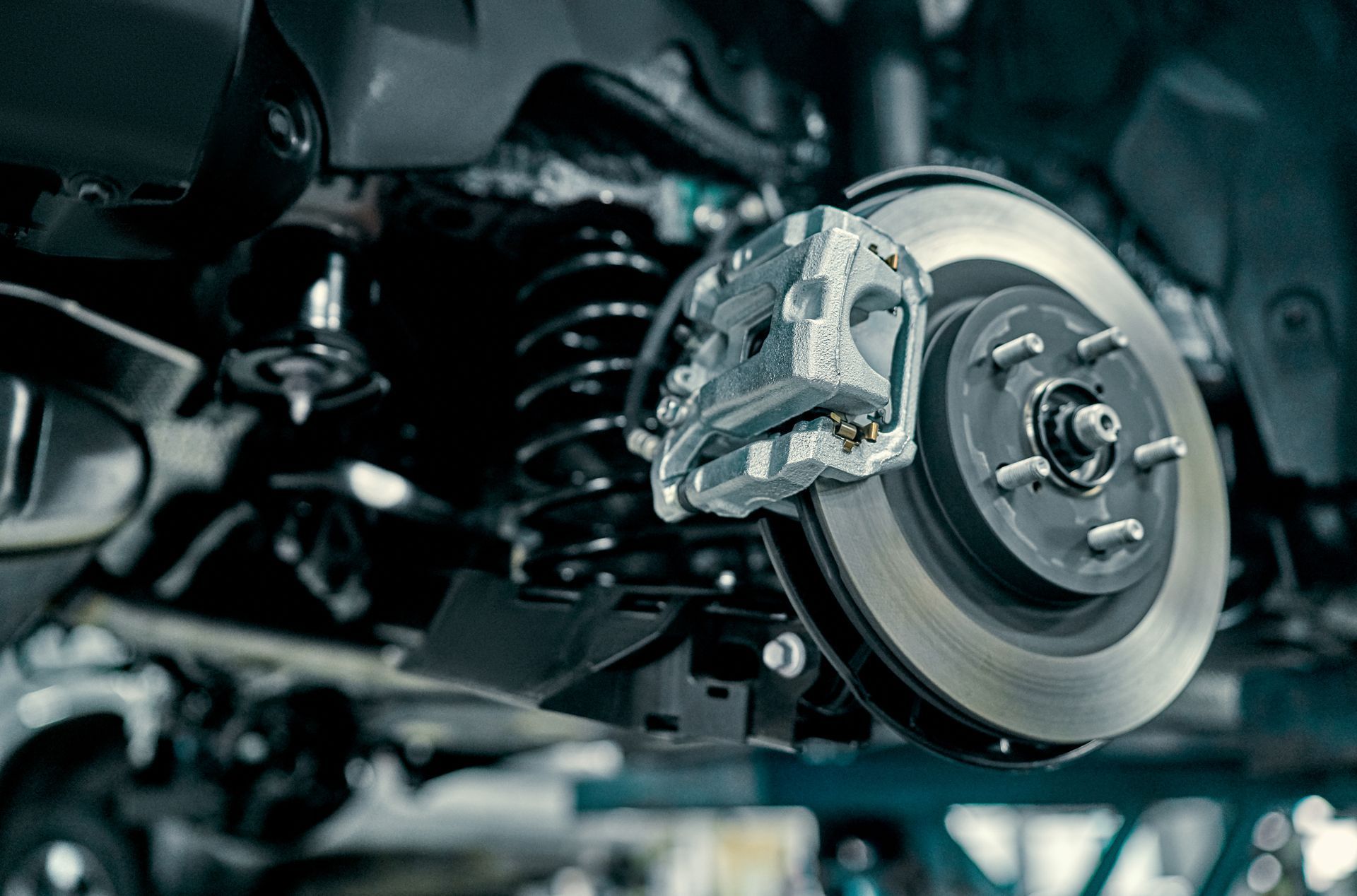
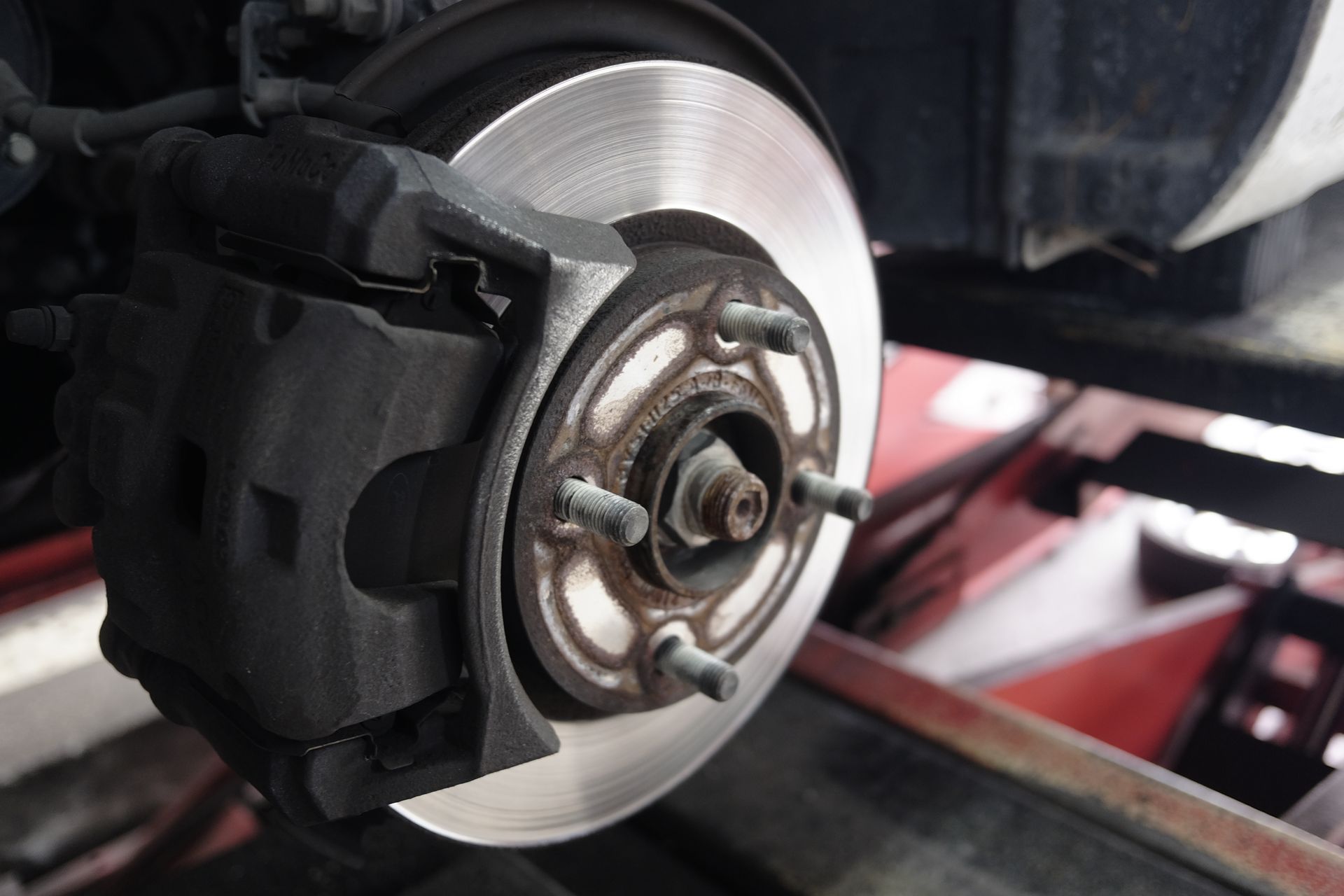
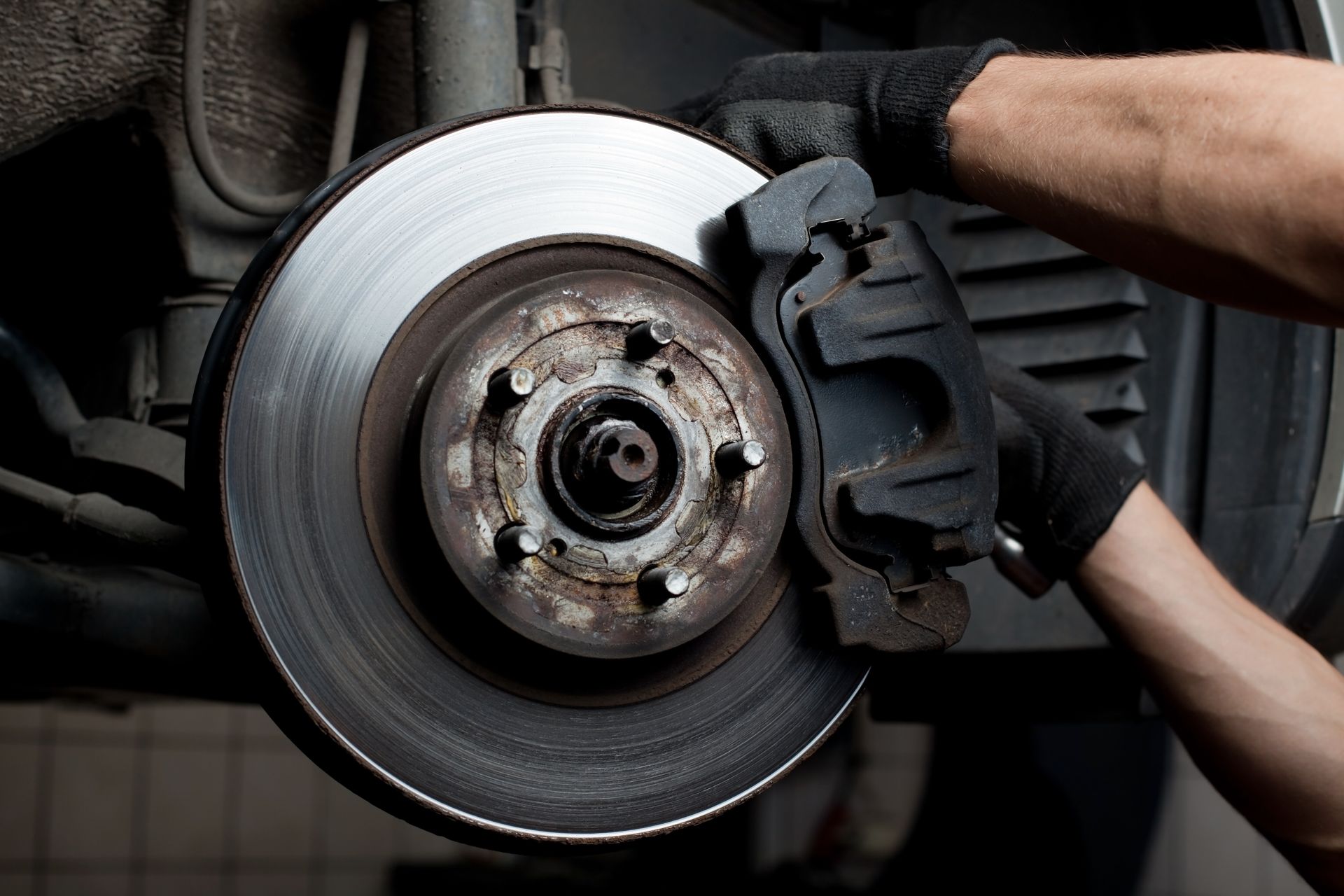
When we talk about car brake repair, two main components require attention: brake pads and brake rotors. Brake pads press against the rotors to create friction, allowing your car to stop. Brake rotors are the metal discs attached to each wheel. Both wear out over time, but each for different reasons.
Brake pads generally wear faster due to their function and materials. Rotors, on the other hand, can suffer from warping, scoring, or thinning. We always evaluate both during each car brake repair inspection to ensure optimal performance.
What Happens During a Brake Inspection?
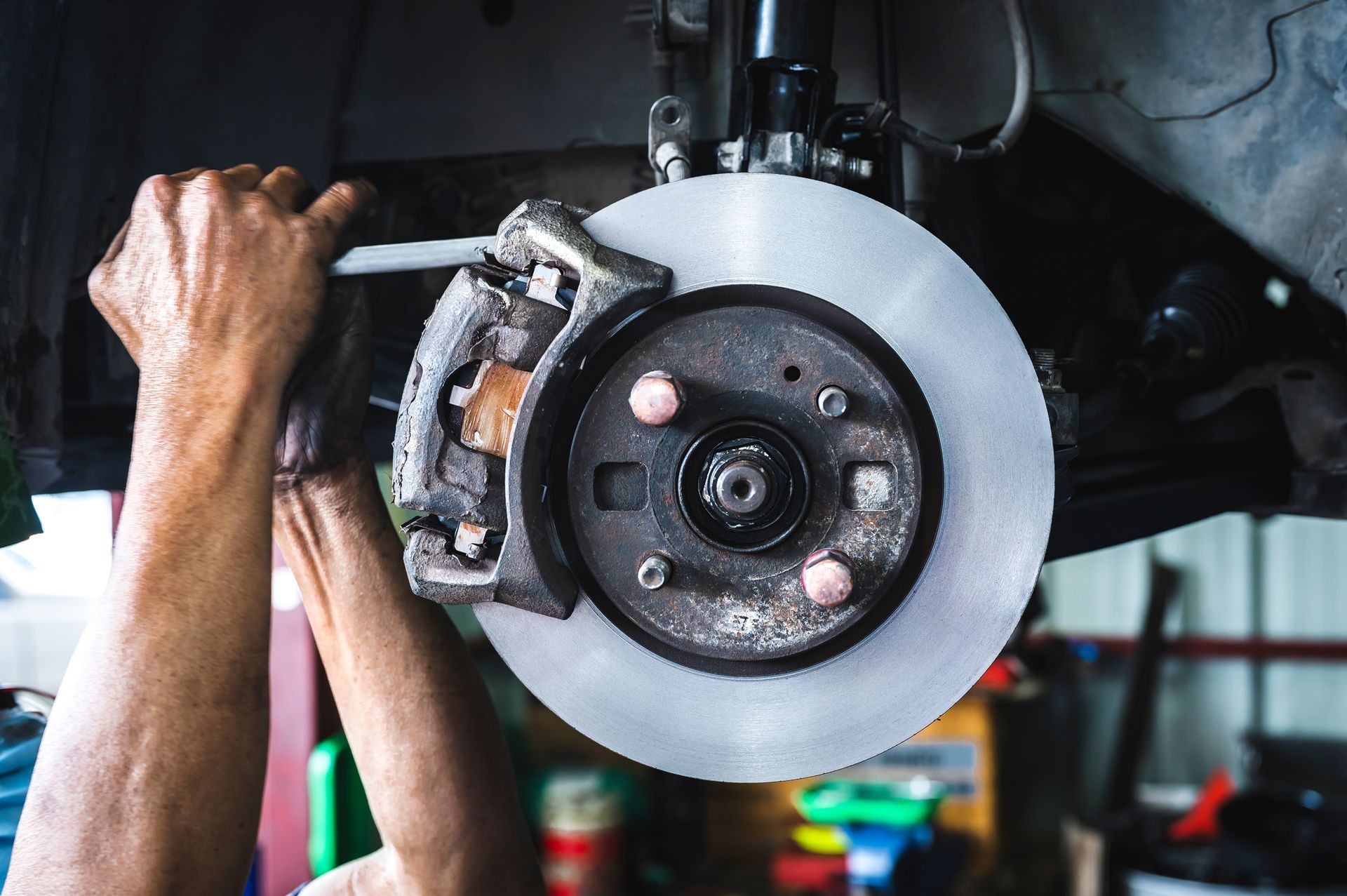
At Bonita Point Auto Care, our San Diego car brake repair process starts with a thorough brake inspection. We visually and physically check brake pads for thickness, wear patterns, and material condition. Then we check rotors for scoring, uneven wear, thickness, and signs of warping.
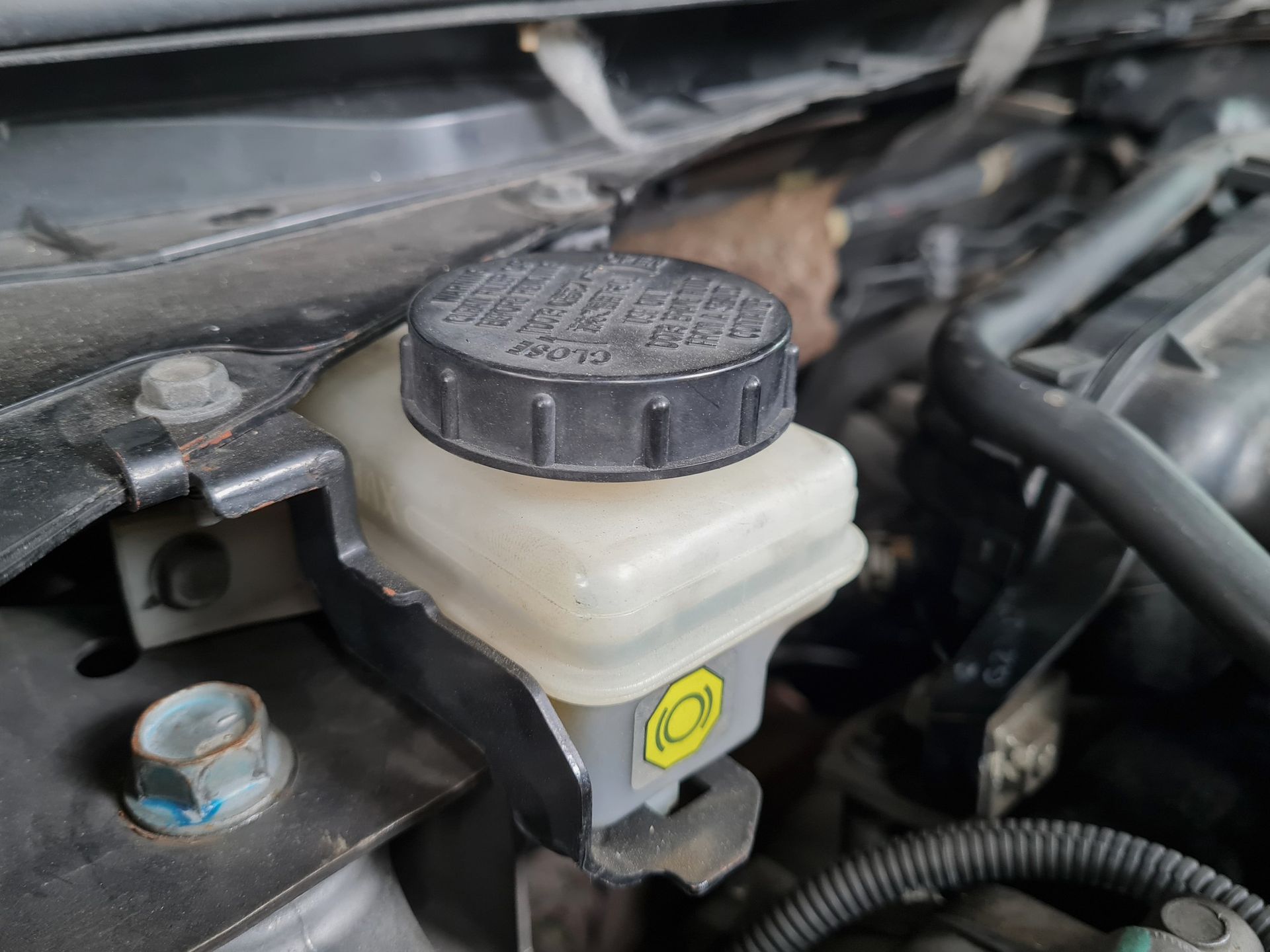
We also check your calipers, brake lines, and fluid levels and look for any leaks or unusual noises. Our technicians can access manufacturer recommendations for minimum pad thickness and rotor condition, ensuring your car's brake repair is both timely and precise.
If you want to see our full scope of brake services, visit our car brake repair page.
Brake Pad Replacement: When and Why
Brake pads should be replaced when the friction material wears down to the manufacturer’s recommended minimum thickness. Most cars require new brake pads every 25,000 to 70,000 miles, but city driving in San Diego with frequent stops can accelerate wear.
Signs you need car brake repair for pads include squealing, grinding, longer stopping distances, and a pulsing brake pedal. Ignoring these signs risks damage to the rotors, increasing overall repair costs.
When our technicians determine your brake pads are worn, we’ll guide you through selecting the right material, whether standard organic, semi-metallic, or ceramic. We only recommend replacements that suit your specific driving habits in the San Diego area.
Rotor Service: Repair or Replace?
Rotors can sometimes be resurfaced if they have minor scoring or uneven wear. In car brake repair, resurfacing smooths out imperfections, restoring even contact with new brake pads. However, if rotors are below their minimum thickness, warped due to heat, or heavily grooved, replacement is the safer option.
We measure rotor thickness with precision tools during every brake inspection. If rotors need replacement, we’ll match the correct type for your vehicle, ensuring compatibility and performance.
San Diego’s varied driving conditions, including heat and stop-and-go traffic, can contribute to rotor issues. Our team explains the reasoning behind each recommendation so you understand your car's brake repair options.
Factors Influencing Brake Recommendations
Several factors determine whether we recommend brake pad replacement, rotor resurfacing, or rotor replacement. These include:
- Driving habits: Frequent city driving means more stopping, which wears pads and rotors faster.
- Vehicle age and mileage: Older vehicles typically require more frequent car brake repair.
- Brake system material: High-performance brakes may wear differently than standard ones.
Our commitment is to provide honest, transparent advice so you can make informed choices about car brake repair.
Tips for Extending Brake Life
We encourage San Diego drivers to adopt habits that protect their brake systems. Here are some tips:
- Reduce hard stops and sudden braking as much as possible
- Regularly check brakes for signs of wear or noise
- Have the brake system inspected every 10,000 miles or if you notice unusual brake performance
- Use brake fluid recommended for your vehicle, and schedule fluid changes per manufacturer guidelines.
Routine care can help delay major car brake repair needs. Feel free to ask us for personalized advice when you visit.
Step-by-Step Guide: How We Conduct Brake Repair
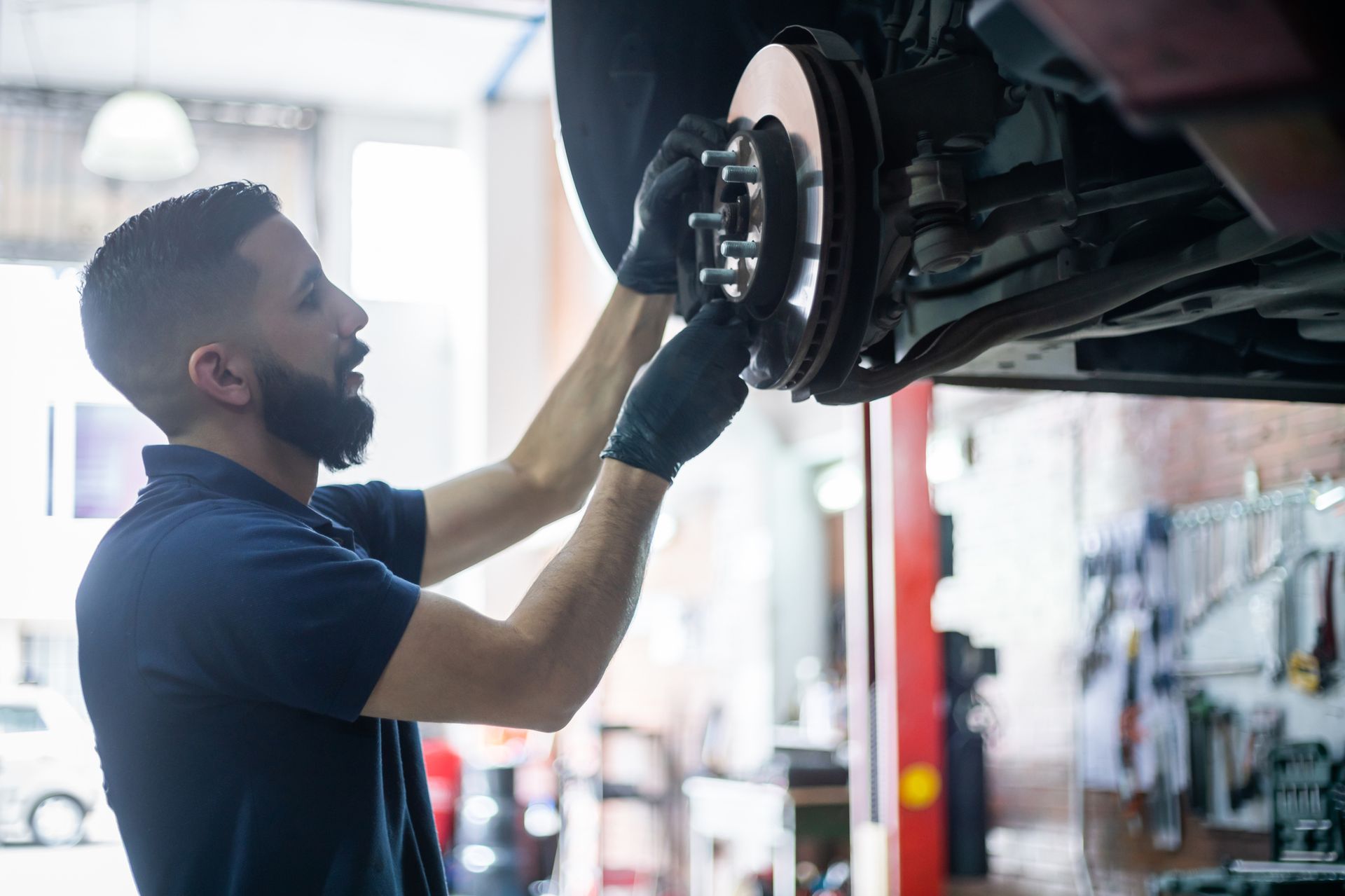
Our car brake repair procedure at Bonita Point Auto Care follows these steps:
- Initial inspection: We lift the vehicle and remove the wheels.
- Pad measurement: Pads are measured and checked for even wear.
- Rotor evaluation: Rotors are inspected for thickness and surface condition.
- Caliper assessment: We check calipers for operation and leaks.
- Recommendations: We explain findings and offer repair or replacement options.
- Service: Pads or rotors are replaced or resurfaced as needed.
- Testing: We test-drive your vehicle to confirm all repairs were successful.
This process ensures car brake repair is handled efficiently and correctly every time.
Why Choose Bonita Point Auto Care for Brake Service?
With years of experience providing car brake repair in San Diego, we understand the unique challenges local drivers face. Our technicians are trained on all major vehicle makes and models and use high-quality parts designed for San Diego’s driving conditions. Customer satisfaction and safety are always our priorities.
Ready for Expert Car Brake Repairs? Contact Us Today!
If you’re experiencing signs of brake trouble or want peace of mind with a detailed inspection, trust Bonita Point Auto Care for your next car brake repair. Serving San Diego, we’re here to provide honest, reliable advice and efficient service.
Need to book an appointment or talk to a mechanic? Call us at 619-421-7600 or reach out online via our contact form. Let our team keep your brakes and your family safe on the road.